Invasive Species Removal

We believe landscapes should be both beautiful and beneficial, using native plants to support pollinators, wildlife, and healthy ecosystems.

Non-Native Invasive plant species are widespread in our region and pose a serious threat to local ecosystems. These plants spread aggressively, outcompeting native trees, shrubs, and wildflowers for sunlight, water, and nutrients. Because they did not evolve alongside our native wildlife, they provide little to no food or habitat value for birds, pollinators, and other animals. In many cases, invasives alter soil chemistry, disrupt forest regeneration, and create dense monocultures that reduce overall biodiversity.

According to a 2020 survey conducted by the Hamilton County Invasives Partnership, community members were asked to identify the most problematic invasive species in the county. The following species were most frequently cited:

Asian Bush Honeysuckle
Callery Pear (Bradford Pear)
Wintercreeper
Canada thistle
Garlic Mustard
Burning Bush
Multiflora Rose
Autumn Olive
Japanese Honeysuckle
Japanese Knotweed

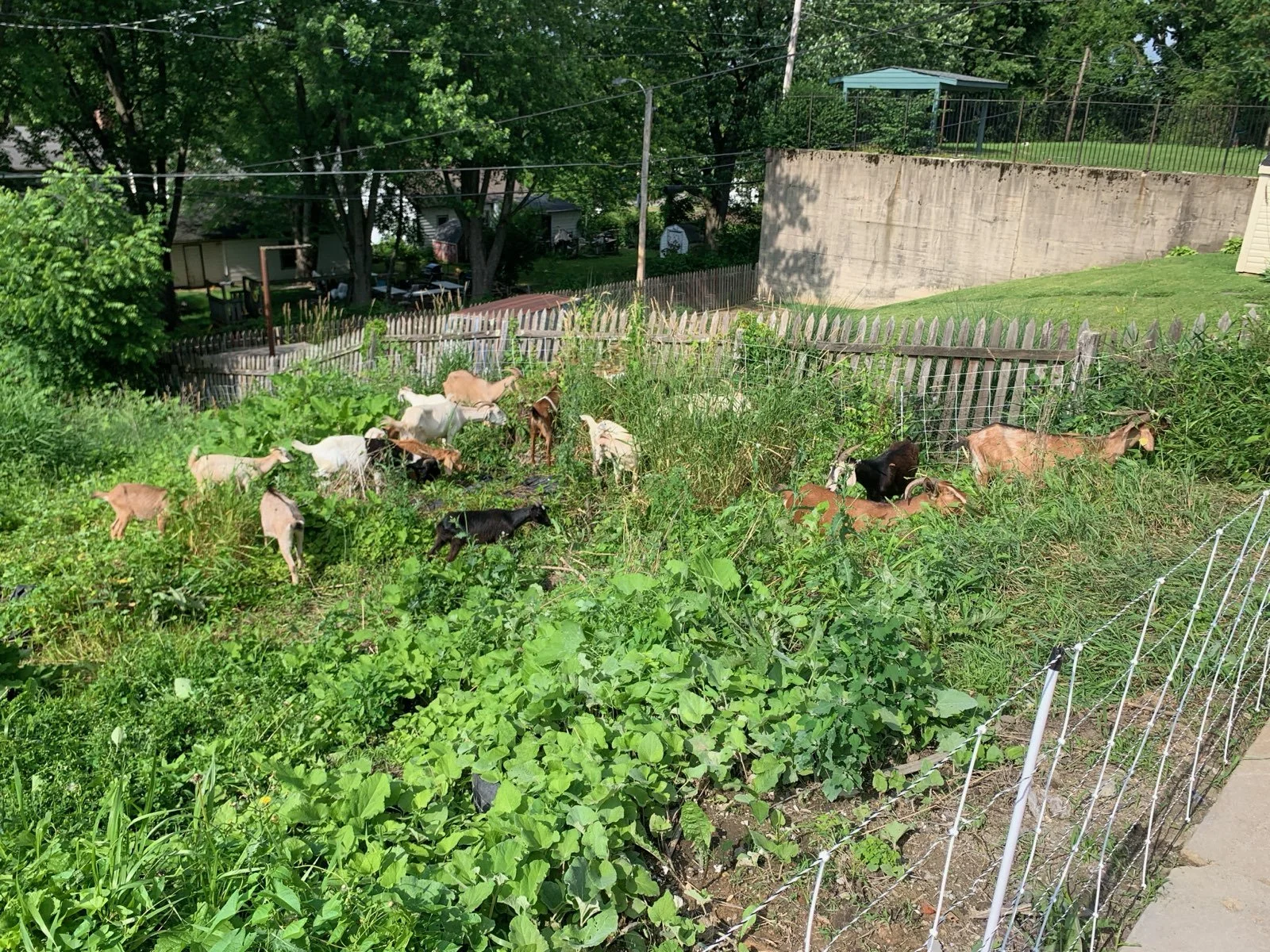
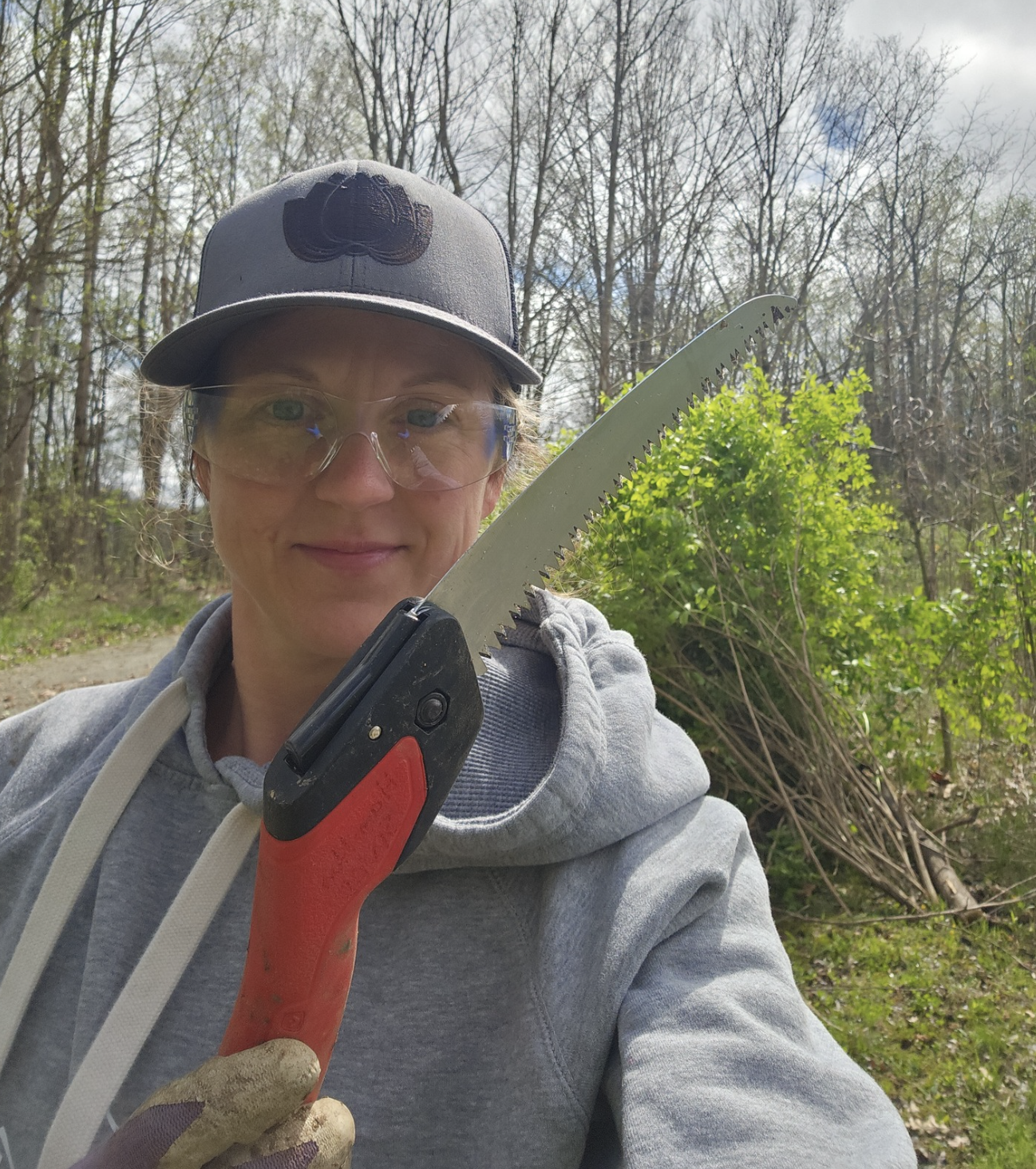
The Rooted Archer can help slow and prevent the spread of invasive plants by identifying them, removing them responsibly from your property, and helping you choosing native plants instead. We are happy to assist with invasive plant identification as part of your on- site consultation. From there, we can recommend appropriate removal strategies and offer hands-on support or coordination with trusted professionals when needed.

Once a site assessment is complete, an estimate can be provided. Whether we work together directly or partner with experienced contractors for larger projects, the goal remains the same: creating space for native flora to thrive and restoring habitat that supports our diverse wildlife.

You can also help by avoiding planting ornamental invasives and cleaning equipment and footwear when moving between natural areas. Thoughtful management and restoration at the home and community level play a powerful role in protecting the health and resilience of our local ecosystems.

A good place to start with identifying invasives and managing your land are free resources available through your local Soil and Water Conservation District and Cooperative Invasive Species Management Area (CISMA).

Cost for Invasive Species Removal: $100/hour for labor, which includes equipment we bring (herbicide, saws, pruners, etc). Each job will be priced after the consultation where we assess the site. Some jobs may require a subcontractor to be brought in for larger removals. We will provide you with an estimated cost before any work is done.