

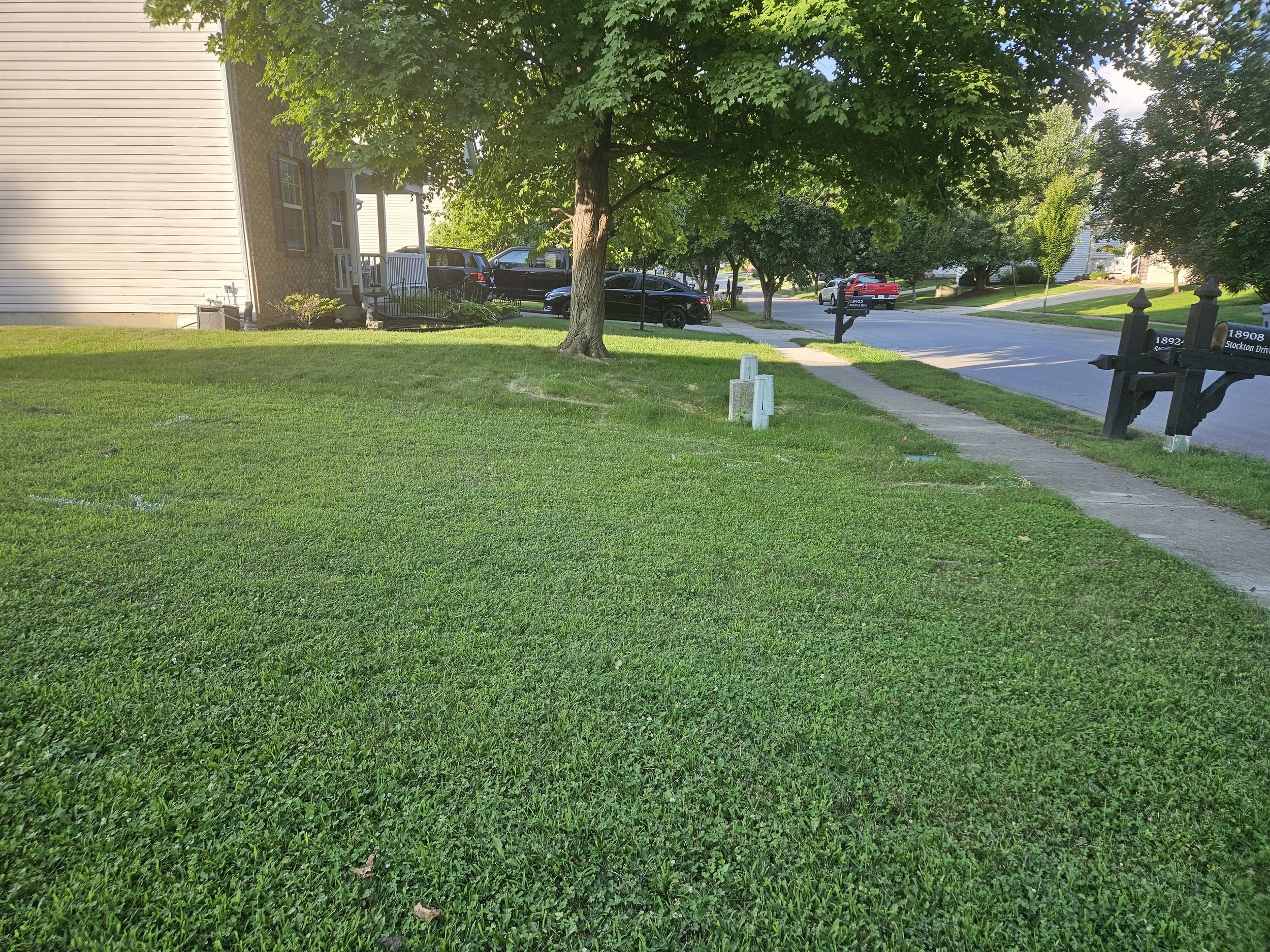
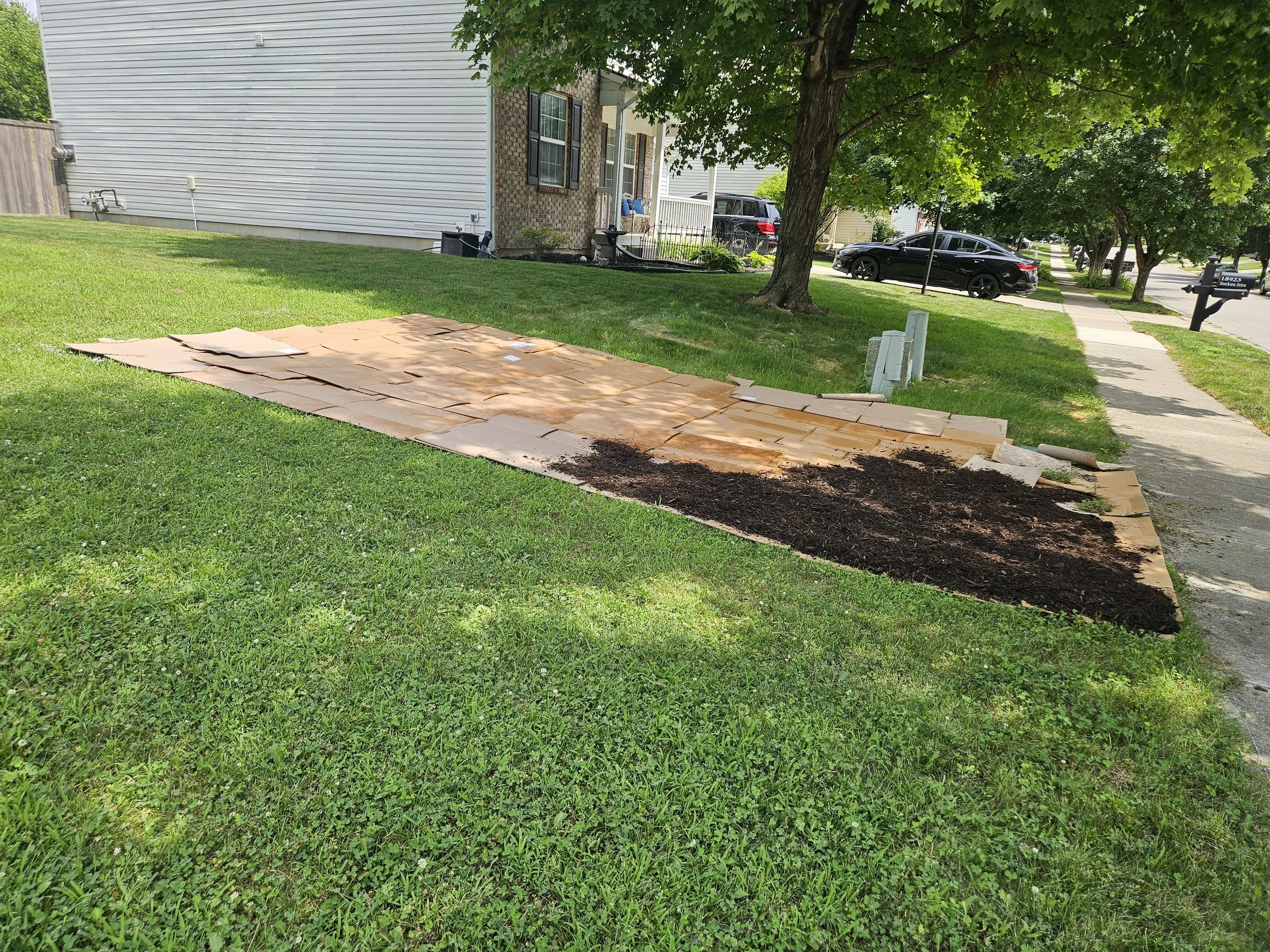
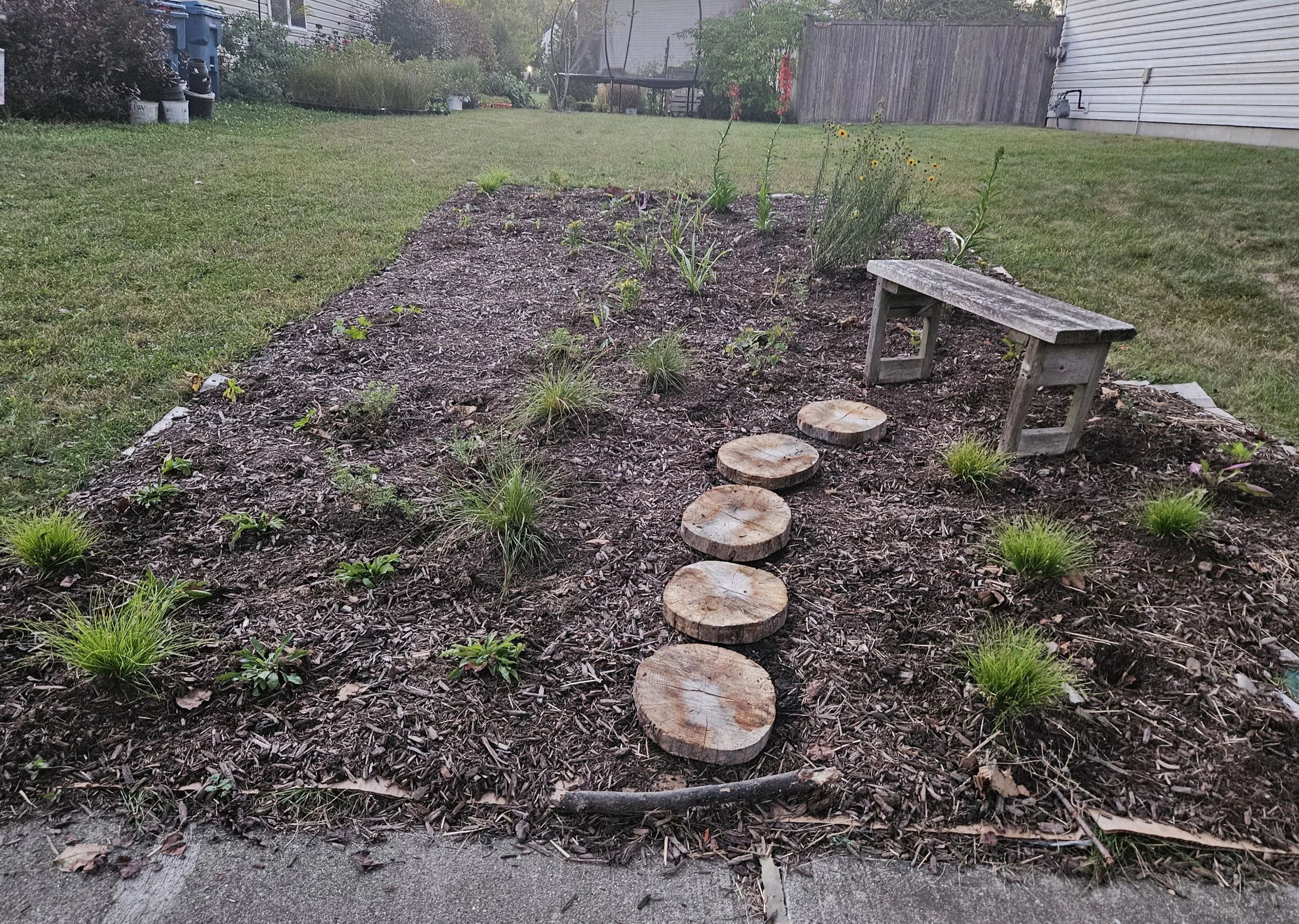
Lawn conversions can be a simple “pocket” prairie” for a small space, a turf hillside where erosion is an issue or entire yards!
Conversions typically don’t require a full landscape design, but a simple plant pallete and a sketch customized to your space. There is an art to the creation of this space. When installed by The Rooted Archer, the site will be intuitively designed on site based on experience, site condition and an agreed upon plant pallete.
Send an email to therootedarcher@gmail.com to schedule a consultation to discuss lawn alternative options.
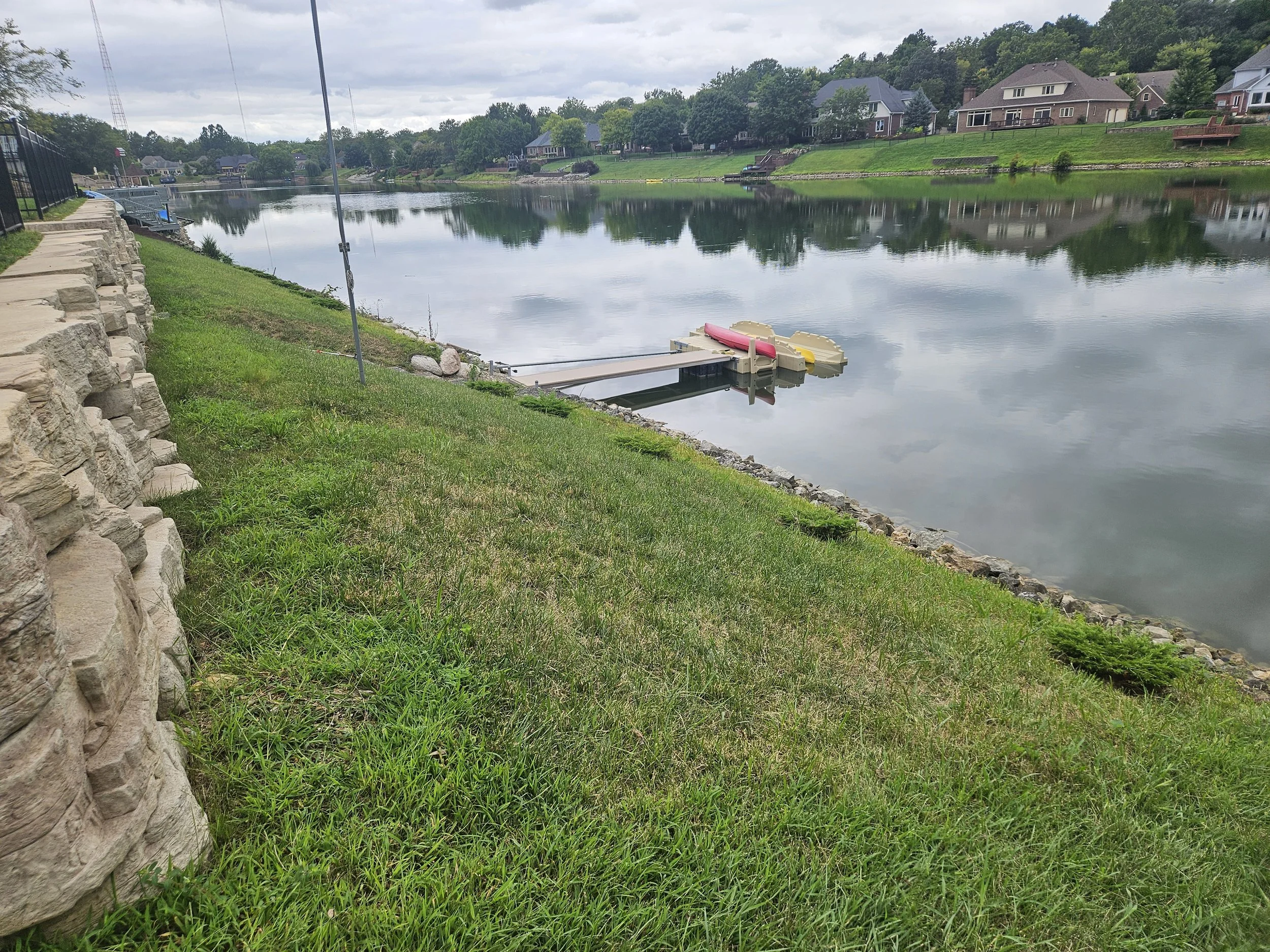
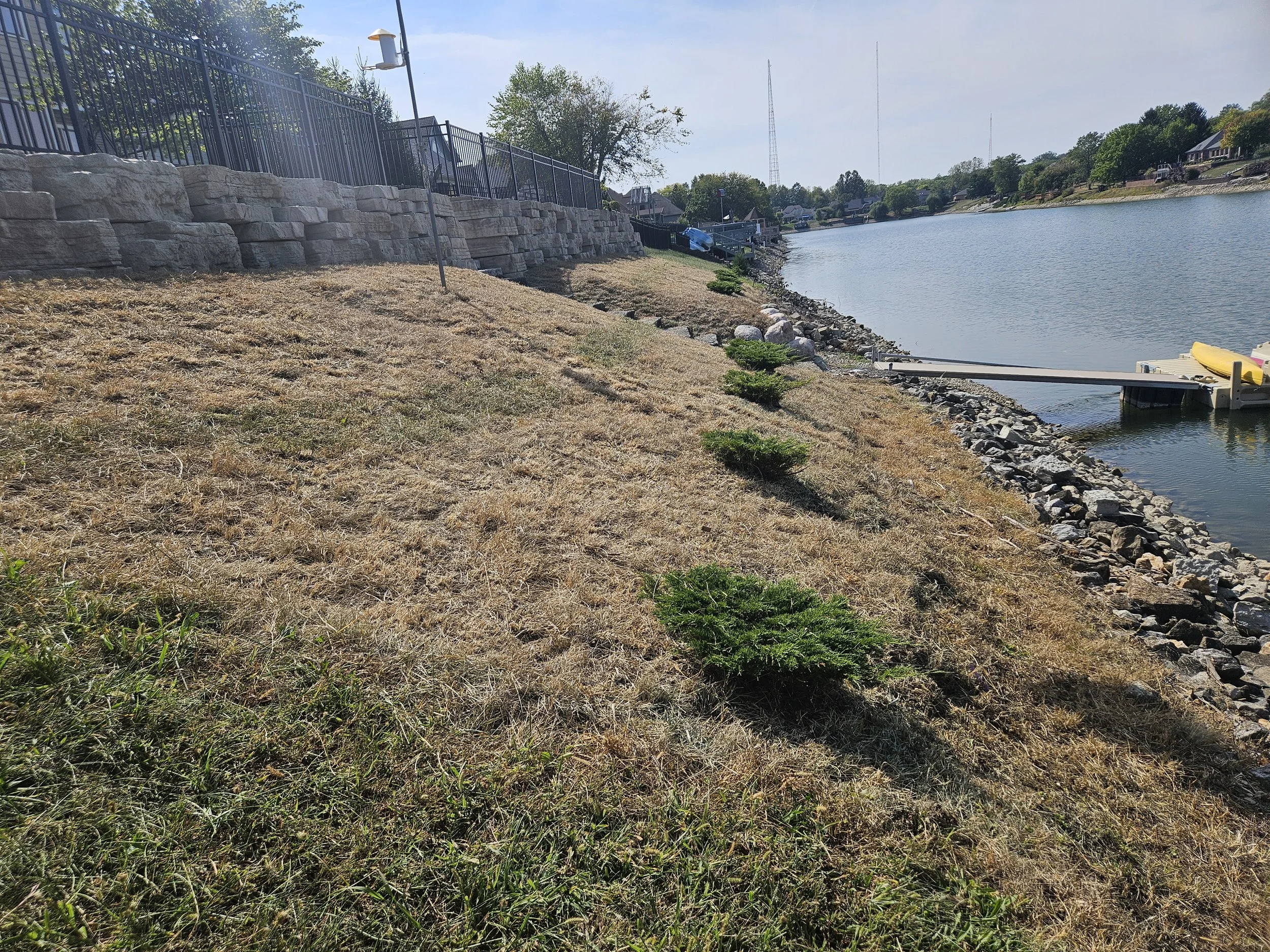
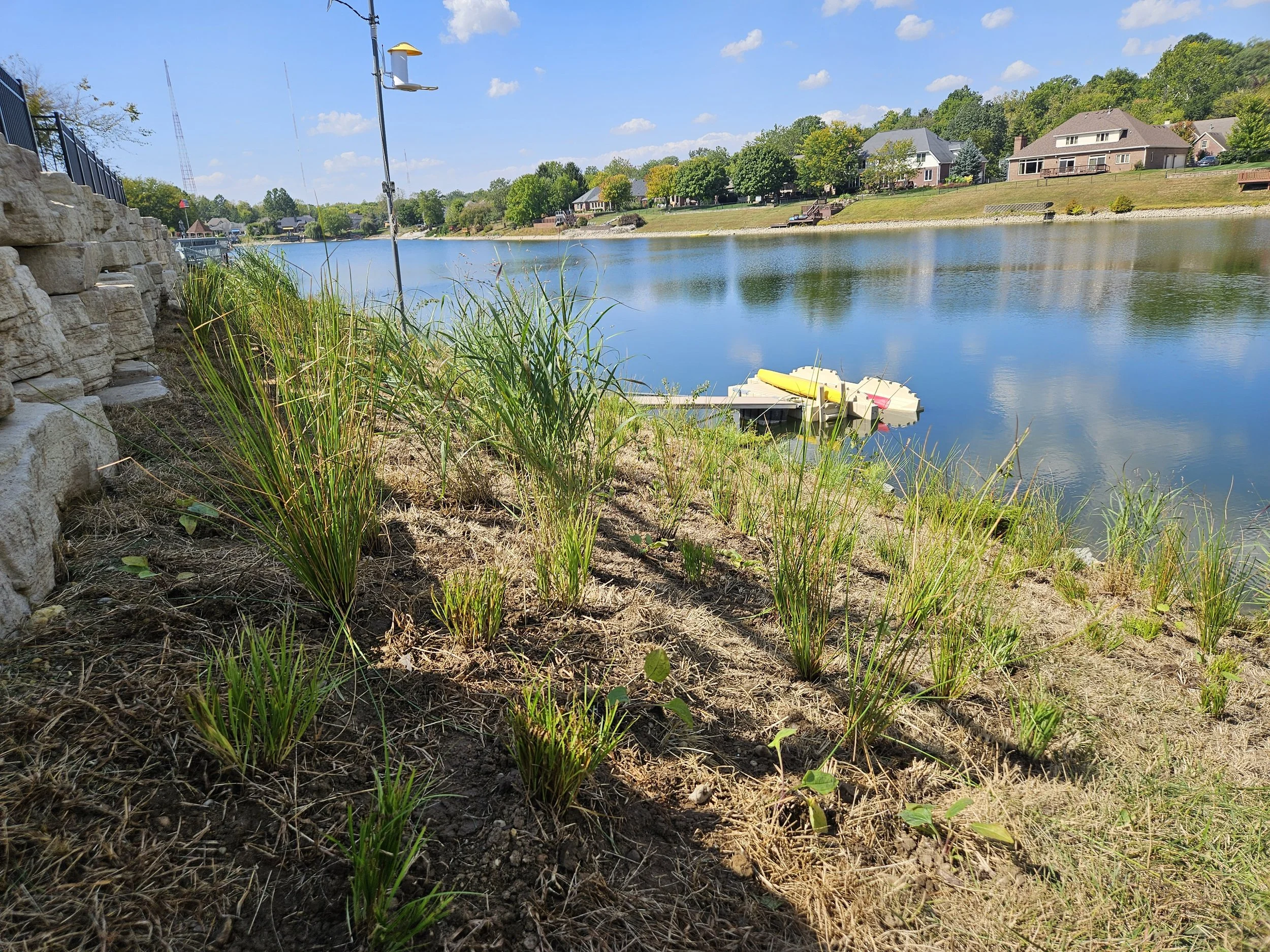
Key Benefits of Converting Lawn to Prairie + Lawn alternatives
Greater Biodiversity / Wildlife Habitat
Native plants support more species. They provide food (nectar, pollen, seeds), shelter, nesting sites, and host plants for insects (especially specialist species). KQED+3Minnesota DNR+3Natural Resources Conservation Service+3
Pollinators
Native wildflowers and grasses are essential for pollinators (bees, butterflies, etc.), both as forage (nectar/pollen) and host plants
Water, Soil, & Pollution Regulation
Native plant root systems tend to be much deeper and more extensive than turf grasses. This aids infiltration of rainwater, reduces runoff, erosion, filters pollutants, and helps recharge groundwater. EPA Archive+3Minnesota DNR+3library.weconservepa.org+3
Climate Benefits / Carbon Sequestration & Heat Island Mitigation
Native plants, especially prairie grasses, have high potential for carbon sequestration (in soil and roots) given their deep roots and perennial nature. EPA Archive+3Minnesota DNR+3British Ecological Society Journals+3
Reduction of lawn mowing etc. leads to lower emissions from gas‐powered equipment. EPA Archive+1
Meadows and native plantings can help reduce urban heat island effects due to better shading, more evapotranspiration, less dark bare soil, etc. British Ecological Society Journals
Reduced Maintenance, Cost & Chemical Inputs
Once established, native plants require far less mowing, less irrigation, fewer fertilizer and pesticide inputs. This saves time, money, and reduces environmental harm. library.weconservepa.org+3mwrd.org+3EPA Archive+3
For example: the Cornell project’s native lawn needed mowing just once a year (to keep height around 8‐14 in) vs. frequent mowing for turf lawns. The Cornell Daily Sun
The EPA/Greenacres and other sources report (over decades) that maintaining native prairie or wetland landscapes is much cheaper than turf grass when full lifecycle costs (watering, mowing, fertilizers, etc.) are counted. EPA Archive+1
Water Savings and Pollution Reduction
Lawns consume large volumes of water (especially in dry periods) and much of that can be lost to evaporation or runoff. Native plants adapted to local climates need less supplemental water. library.weconservepa.org+2Cultivating Flora+2
Conversion reduces nutrient (nitrogen, phosphorus) runoff and sediment pollution, because native vegetation holds soil better, filters runoff, uses nutrients. Minnesota DNR+2EPA Archive+2
People are starting to catch on:
From National Wildlife Federation survey: 12% of U.S. adults are converting parts of their lawn to a natural or wildflower landscape; 17% purchasing native region plants; 28% purchasing plants beneficial for native bees, butterflies and birds. That’s progress. Lets keep growing!!